
Description
Description
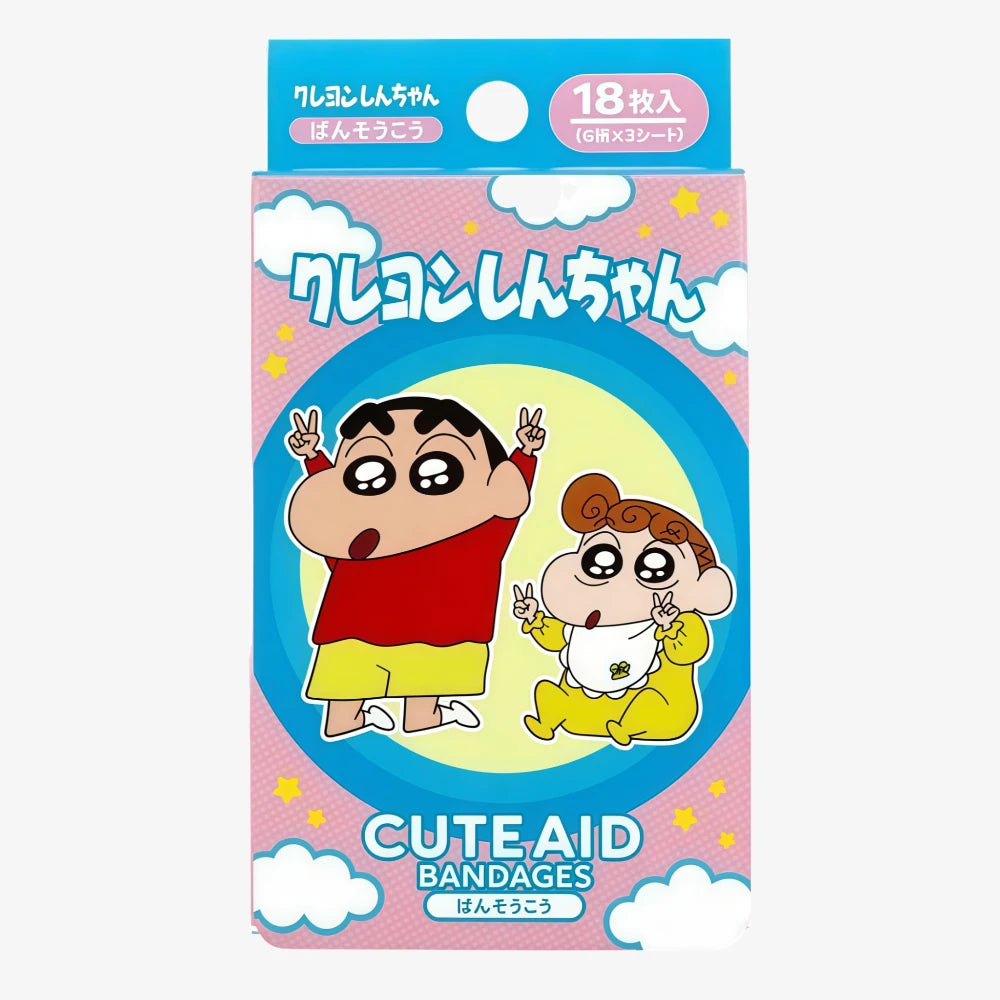
1. Design Feature: Crayon Shinchan Co-Branded Style
2. Core Function: Daily Emergency Wound Protection
- Sterile Wound Pad: The center pad that contacts the wound is made of high-absorbency non-woven fabric, which is sterile and can quickly absorb exudate from minor wounds (e.g., blood, tissue fluid), keeping the wound dry and preventing infection.
- Gentle Adhesive: The hypoallergenic acrylic adhesive is used—adheres firmly to the skin without leaving residue when removed, and does not irritate delicate skin (tested to meet Japanese skin irritation standards).
- Soft & Breathable Backing: The backing layer is made of elastic non-woven fabric—soft and flexible, fitting the body’s curves (e.g., fingers, elbows, knees) without restricting movement; it is breathable to avoid stuffiness and maceration of the wound area.
- Water-Resistant (If Applicable): Some versions have a water-resistant coating on the backing layer, which can resist light water splashes (e.g., hand washing, rain) and keep the wound dry, extending the bandage’s effective use time.
3. Product Design: Practical & Portable
- Packaging: The 18 pieces are individually sealed in sterile packaging—each bandage is independent, easy to take out one by one, and convenient to carry in pockets, purses, or first-aid kits without contamination.
- Size: Typically in a standard small size (e.g., 76mm × 19mm) suitable for minor wounds on fingers, hands, face, or knees—meeting most daily emergency needs.
Ingredients
Ingredients
Wound-Contact Layer (Sterile Wound Pad): High-absorbency non-woven fabric (composed of 100% cotton or cotton-polyester blend)—sterilized via gamma radiation or ethylene oxide, with strong water absorption to keep the wound dry; soft and non-irritating to the wound surface.
Adhesive Layer: Hypoallergenic acrylic adhesive—free of formaldehyde, latex, and other allergenic substances; adheres firmly to the skin without residue, and meets Japanese medical adhesive safety standards (low skin irritation).
Backing Layer: Elastic non-woven fabric (polyester + polypropylene blend)—soft, breathable, and flexible, fitting the skin’s movements; some versions have a polyethylene (PE) waterproof coating on the surface to enhance water resistance.
Protective Film: Polyethylene (PE) film—covers the adhesive layer before use, protecting the adhesive from contamination; easy to peel off, with no residue left on the adhesive.
Printing Ink: Food-grade or medical-grade water-based ink—used for printing Crayon Shinchan patterns on the backing layer; non-toxic, odorless, and does not transfer to the skin, ensuring safety even for children.
All raw materials comply with international medical device standards (e.g., ISO 13485) and Japanese JIS standards, with no harmful substances such as fluorescent whitening agents, heavy metals, or formaldehyde.
How to Use
How to Use
Clean the Wound: First, rinse the minor wound with clean running water (or normal saline) to remove dirt, dust, or other contaminants; gently pat the area around the wound dry with a clean, sterile cotton pad (do not rub the wound directly).
Open the Bandage Package: Tear open the individual sterile packaging along the easy-tear line (avoid touching the wound pad with your fingers to prevent bacterial contamination).
Apply the Bandage:
Peel off the protective film from the adhesive side (some bandages have two layers of protective film—peel off one layer first, align the wound pad with the wound, then peel off the other layer);
Place the sterile wound pad directly over the center of the wound, ensuring the pad fully covers the wound (leave a small margin around the wound to avoid the adhesive sticking to the wound);
Press the adhesive backing firmly onto the skin around the wound—smooth from the center to the edges to ensure good adhesion and no air bubbles.
Replace the Bandage: Change the bandage every 4-6 hours, or immediately if it becomes wet, dirty, or loose—this maintains a sterile environment for the wound and promotes healing.
Remove the Bandage: When replacing, gently peel off the adhesive backing from the edges to the center—avoid pulling hard, especially on children’s skin or sensitive areas, to prevent skin irritation.
Note: If the wound shows signs of infection (e.g., redness, swelling, pus, increased pain) after use, stop using and consult a doctor promptly.
SANTAN Emergency Bandages Crayon Shinchan Pink 18pcs
SANTAN Emergency Bandages Crayon Shinchan Pink 18pcs
Vendor: SANTAN
Prices shown are for orders placed on this website only. In-store prices may vary.
Available in stock
- Free shipping in ON & QC on orders $69+*
- Ships within 1–3 business days
- 30-day returns (refund as store credit)
Couldn't load pickup availability
Description
Description
1. Design Feature: Crayon Shinchan Co-Branded Style
2. Core Function: Daily Emergency Wound Protection
- Sterile Wound Pad: The center pad that contacts the wound is made of high-absorbency non-woven fabric, which is sterile and can quickly absorb exudate from minor wounds (e.g., blood, tissue fluid), keeping the wound dry and preventing infection.
- Gentle Adhesive: The hypoallergenic acrylic adhesive is used—adheres firmly to the skin without leaving residue when removed, and does not irritate delicate skin (tested to meet Japanese skin irritation standards).
- Soft & Breathable Backing: The backing layer is made of elastic non-woven fabric—soft and flexible, fitting the body’s curves (e.g., fingers, elbows, knees) without restricting movement; it is breathable to avoid stuffiness and maceration of the wound area.
- Water-Resistant (If Applicable): Some versions have a water-resistant coating on the backing layer, which can resist light water splashes (e.g., hand washing, rain) and keep the wound dry, extending the bandage’s effective use time.
3. Product Design: Practical & Portable
- Packaging: The 18 pieces are individually sealed in sterile packaging—each bandage is independent, easy to take out one by one, and convenient to carry in pockets, purses, or first-aid kits without contamination.
- Size: Typically in a standard small size (e.g., 76mm × 19mm) suitable for minor wounds on fingers, hands, face, or knees—meeting most daily emergency needs.
Ingredients
Ingredients
Wound-Contact Layer (Sterile Wound Pad): High-absorbency non-woven fabric (composed of 100% cotton or cotton-polyester blend)—sterilized via gamma radiation or ethylene oxide, with strong water absorption to keep the wound dry; soft and non-irritating to the wound surface.
Adhesive Layer: Hypoallergenic acrylic adhesive—free of formaldehyde, latex, and other allergenic substances; adheres firmly to the skin without residue, and meets Japanese medical adhesive safety standards (low skin irritation).
Backing Layer: Elastic non-woven fabric (polyester + polypropylene blend)—soft, breathable, and flexible, fitting the skin’s movements; some versions have a polyethylene (PE) waterproof coating on the surface to enhance water resistance.
Protective Film: Polyethylene (PE) film—covers the adhesive layer before use, protecting the adhesive from contamination; easy to peel off, with no residue left on the adhesive.
Printing Ink: Food-grade or medical-grade water-based ink—used for printing Crayon Shinchan patterns on the backing layer; non-toxic, odorless, and does not transfer to the skin, ensuring safety even for children.
All raw materials comply with international medical device standards (e.g., ISO 13485) and Japanese JIS standards, with no harmful substances such as fluorescent whitening agents, heavy metals, or formaldehyde.
How to Use
How to Use
Clean the Wound: First, rinse the minor wound with clean running water (or normal saline) to remove dirt, dust, or other contaminants; gently pat the area around the wound dry with a clean, sterile cotton pad (do not rub the wound directly).
Open the Bandage Package: Tear open the individual sterile packaging along the easy-tear line (avoid touching the wound pad with your fingers to prevent bacterial contamination).
Apply the Bandage:
Peel off the protective film from the adhesive side (some bandages have two layers of protective film—peel off one layer first, align the wound pad with the wound, then peel off the other layer);
Place the sterile wound pad directly over the center of the wound, ensuring the pad fully covers the wound (leave a small margin around the wound to avoid the adhesive sticking to the wound);
Press the adhesive backing firmly onto the skin around the wound—smooth from the center to the edges to ensure good adhesion and no air bubbles.
Replace the Bandage: Change the bandage every 4-6 hours, or immediately if it becomes wet, dirty, or loose—this maintains a sterile environment for the wound and promotes healing.
Remove the Bandage: When replacing, gently peel off the adhesive backing from the edges to the center—avoid pulling hard, especially on children’s skin or sensitive areas, to prevent skin irritation.
Note: If the wound shows signs of infection (e.g., redness, swelling, pus, increased pain) after use, stop using and consult a doctor promptly.